This is smaller machinery used by a man at SITA, specifically for residential blower door testing

Welcome to SITA

Residential Blower Door Testing

We can test your residential properties and blower doors, determining how strong and airtight they are.

Residential Blower Door Testing

Residential Blower Door Testing

SITACx provides consulting and testing for Residential Blower Door Testing following the latest Florida Building Code R402.4.1.2 Testing. Our firm provides blower door testing as well as diagnostic/instrumentation to ensure the residence meets the necessary compliance standards.

A man from SITA is testing a residental blower door
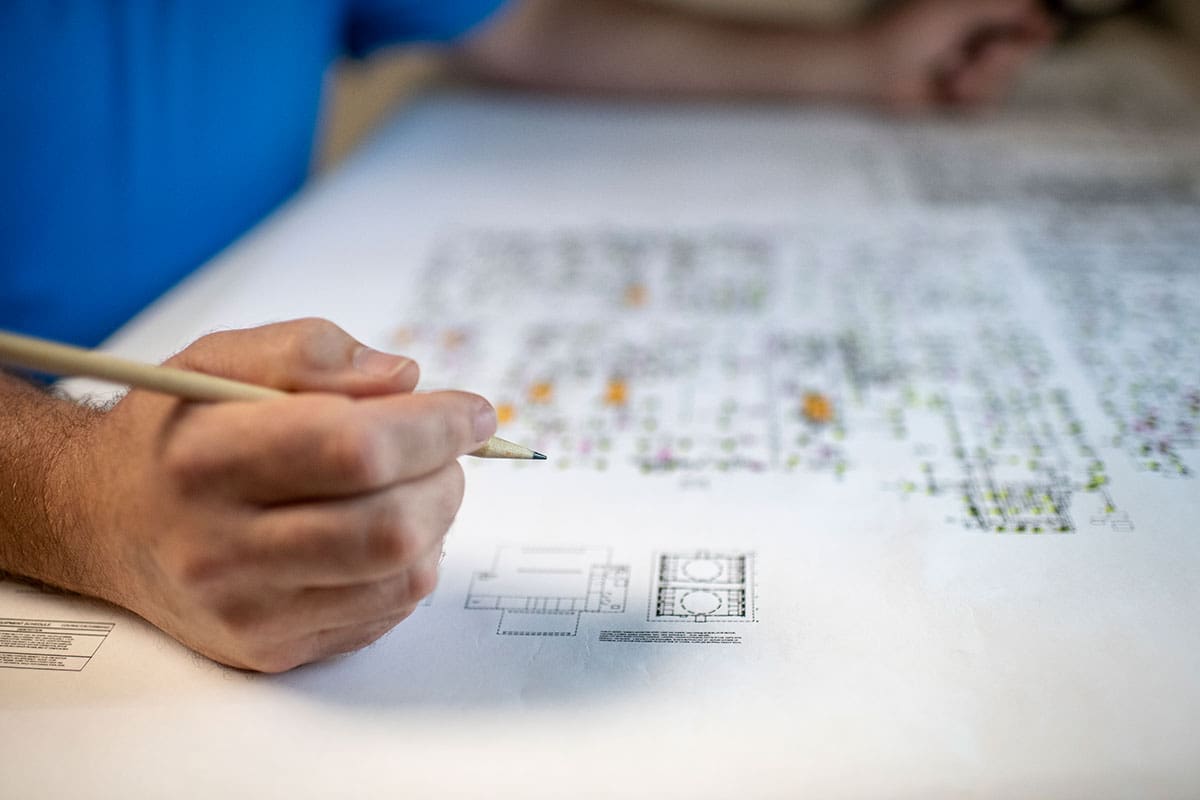
A man drawing out floor plans and residential blower door testing systems

SITACx has been providing energy auditing and evaluations for both residential and commercial projects related to the performance of the envelope system. The Building Air Barrier Testing/Blower Door testing is a systematic process of verifying the building envelope air leakage rate as well as analysis of the construction of envelope. We follow test methods for determining air tightness of buildings to meet ASTM Standards as well as building codes.
SITACx has been providing energy auditing and evaluations for both residential and commercial projects related to the performance of the envelope system. The Building Air Barrier Testing/Blower Door testing is a systematic process of verifying the building envelope air leakage rate as well as analysis of the construction of envelope. We follow test methods for determining air tightness of buildings to meet ASTM Standards as well as building codes.

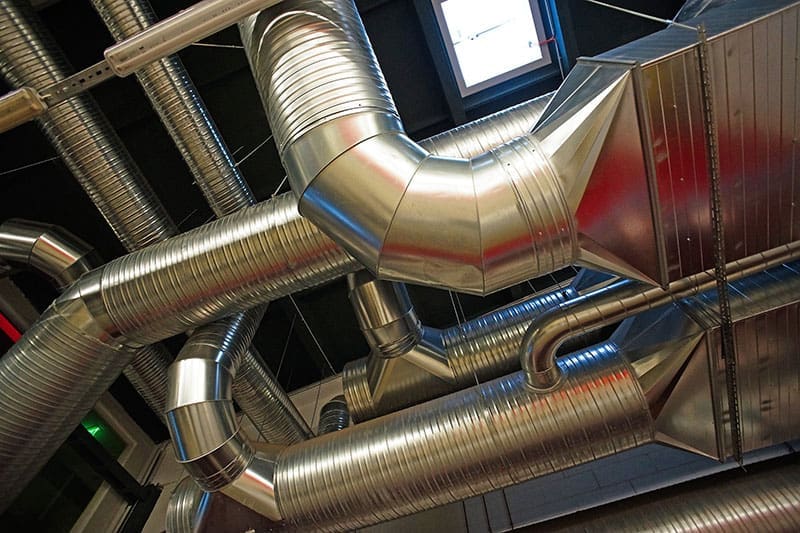
An upward view of exposed silver metal HVAC ductwork on a dark commercial ceiling, showing a complex network of round flexible ducts and rectangular sheet metal ducts branching in multiple directions.

Frequently Asked Questions

Frequently Asked Questions

These frequently asked questions address how blower door testing works, what results mean, when to schedule testing, and what to do if your building fails the test.

A blower door test measures air leakage through your building envelope. Here’s the step-by-step process:

Preparation (1-2 hours):

  • Close all exterior doors and windows
  • Open all interior doors to create single pressure zone
  • Turn off HVAC systems or seal them for testing
  • Record locations of intentional openings (vents, exhaust fans)
  • Ensure building is weather-tight

Equipment setup (30-60 minutes):

  • Mount the calibrated fan in main entrance doorway
  • Install an adjustable door panel to seal the opening
  • Connect pressure gauges (manometers)
  • Set up data recording equipment
  • Verify all exterior openings are closed

Testing procedure (45-90 minutes):

  • Turn on the fan to create negative pressure inside the building
  • Gradually increase fan speed to reach 75 Pascals pressure
  • Measure the airflow (CFM) needed to maintain pressure
  • Run multiple tests to verify consistency
  • Compare results to code requirements

Leak detection (if needed, 1-3 hours):

  • Use a thermal imaging camera to find temperature differences
  • Apply theatrical smoke to visualize air movement
  • Document leak locations with photos
  • Prioritize leaks by severity

Reporting (same day):

  • Calculate air leakage rate (CFM per square foot)
  • Determine pass/fail versus code requirements
  • Document leak locations and severity
  • Recommend specific repairs
  • Provide certification for building officials

Total time: 4-8 hours, depending on building size and complexity.

Standard blower door tests use 75 Pascals of pressure difference between inside and outside the building.

Why 75 Pascals?

This pressure:

  • Simulates moderate wind conditions
  • Reveals leaks without damaging building
  • Matches ASTM E779 testing standards
  • Required by Florida energy codes
  • Allows consistent comparison between buildings

Testing at multiple pressures:

Complete tests often measure at several pressures:

  • 10, 20, 30, 40, 50, 60, 70, 75 Pascals
  • Creates pressure curve showing leak characteristics
  • Identifies pressure-dependent vs. pressure-independent leaks
  • Provides more accurate building envelope analysis

Certified technicians know how to safely manage these issues.

Failing a blower door test isn’t the end—it’s information telling you exactly what needs fixing.

  • Step 1: Review the test report
  • Example: You measured 0.52 CFM/sq ft but need 0.40 or less. You’re 30% over the limit.
  • Step 2: Prioritize leak repairs
  • Step 3: Make repairs
  • Step 4: Retest
  • Step 5: Document everything
  • Step 6: Prevent future failures

Have Any Questions?

Have Any Questions?

We encourage questions and are happy to answer them! You can send your inquiries through our Contact page:

Our Residential Blower Door Testing Services Include:

  • Pre-design consultation related to the air barrier assemblies and systems, detailing, and material specifications.
  • Blower Door Testing and Analysis.
  • Envelope Diagnostics.
  • Thermal Imaging (Level II Certification).
  • Smoke Infiltration Analysis.

Benefits of An Air Tight Home

Air Tight Building benefits include:

  • Enhanced energy performance.
  • Lower utility costs.
  • Greater occupant comfort.
acg-logo
the AABC logo
the NEBB Logo
FEBB-logo